Profiles

Principal Investigators

Biography

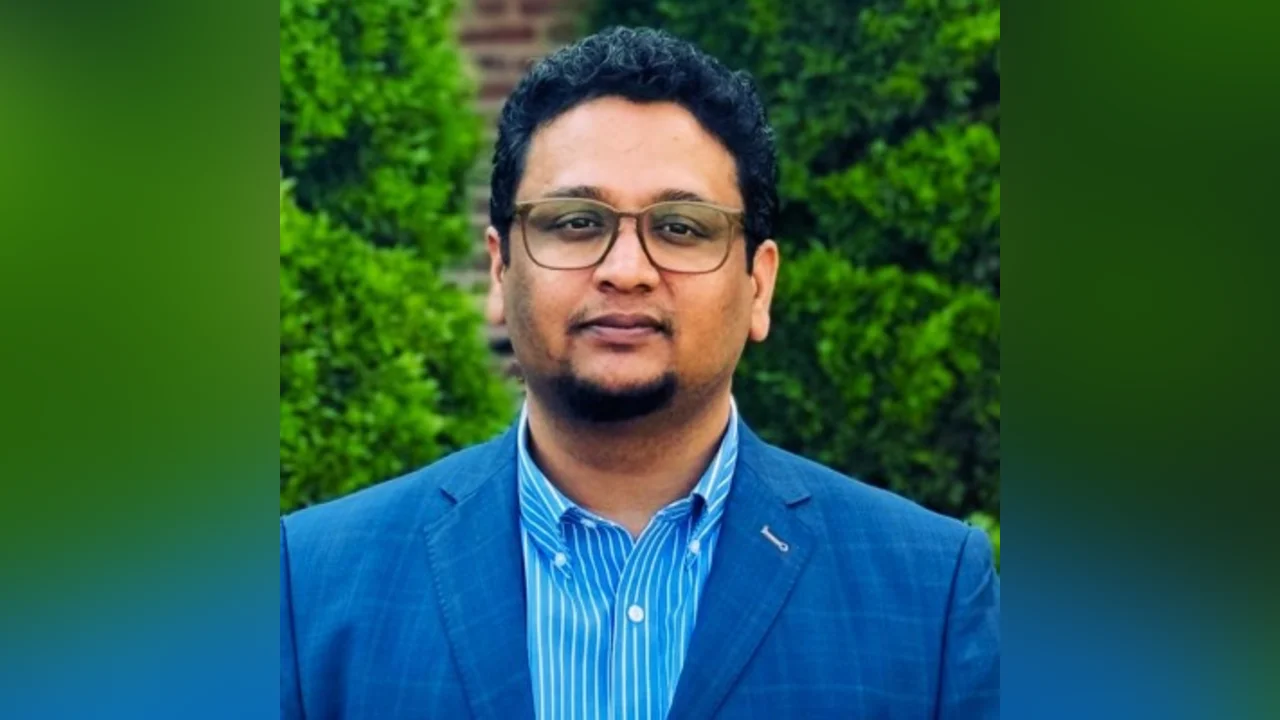
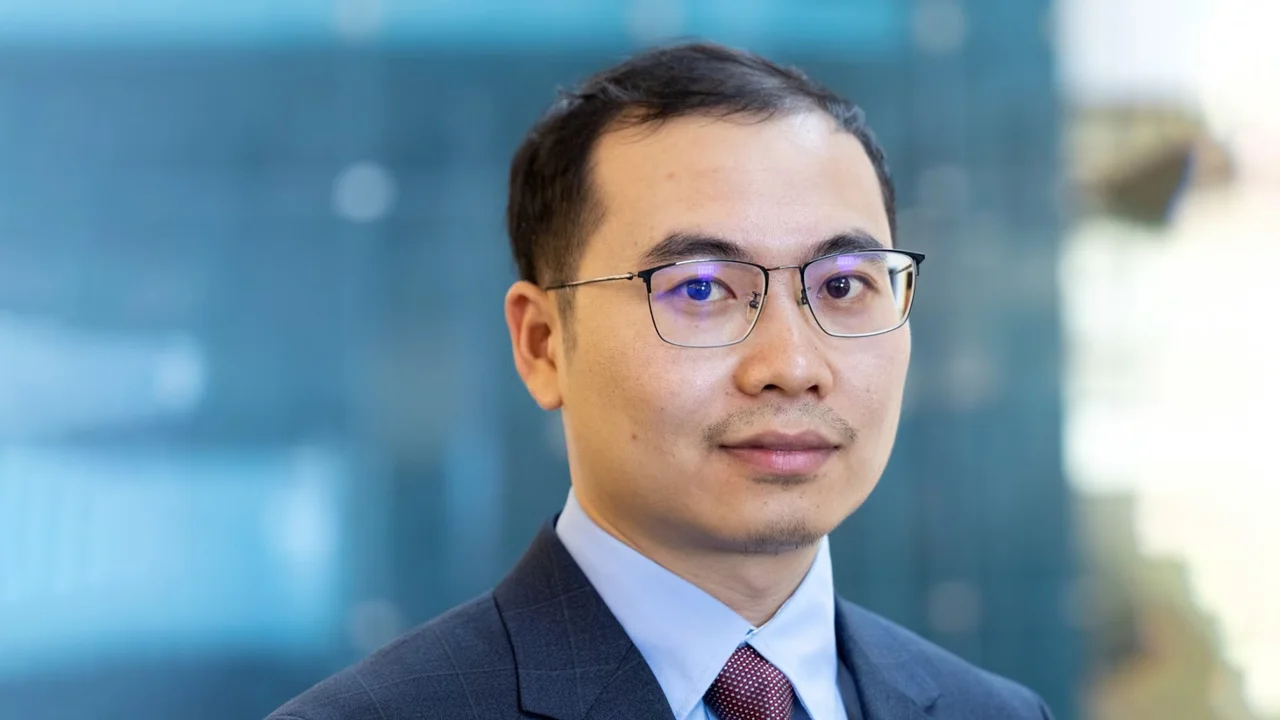
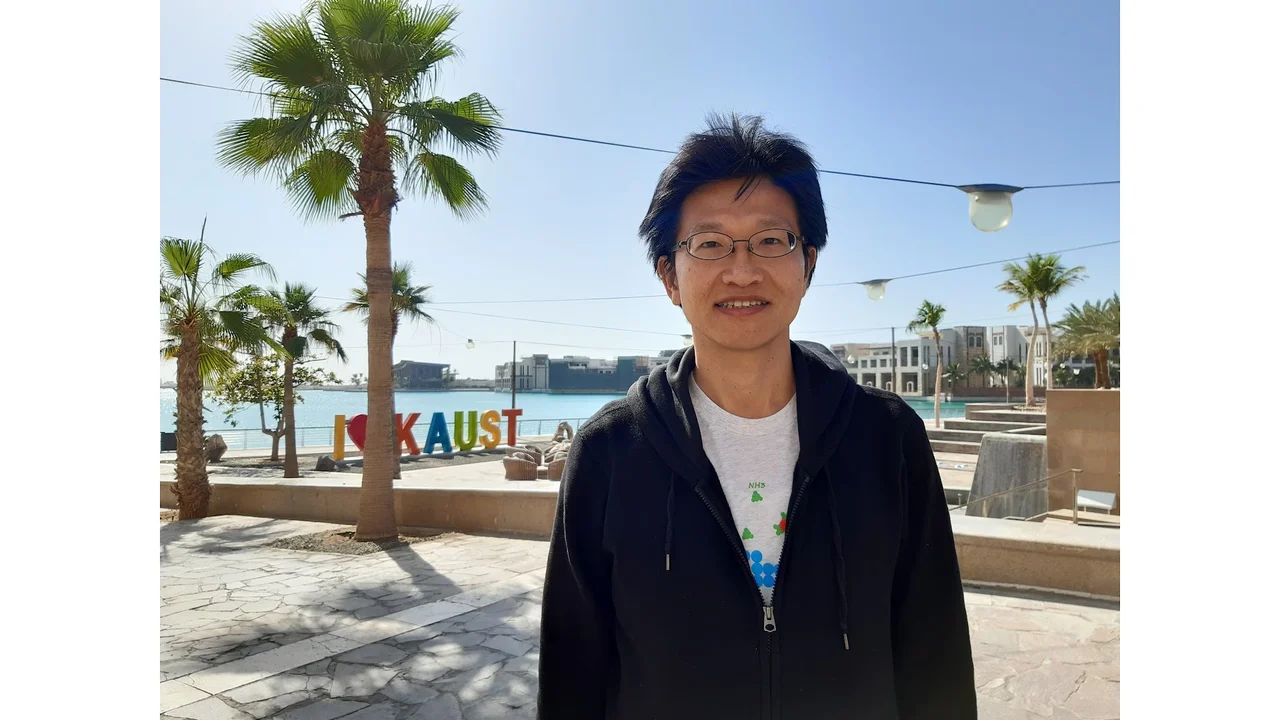
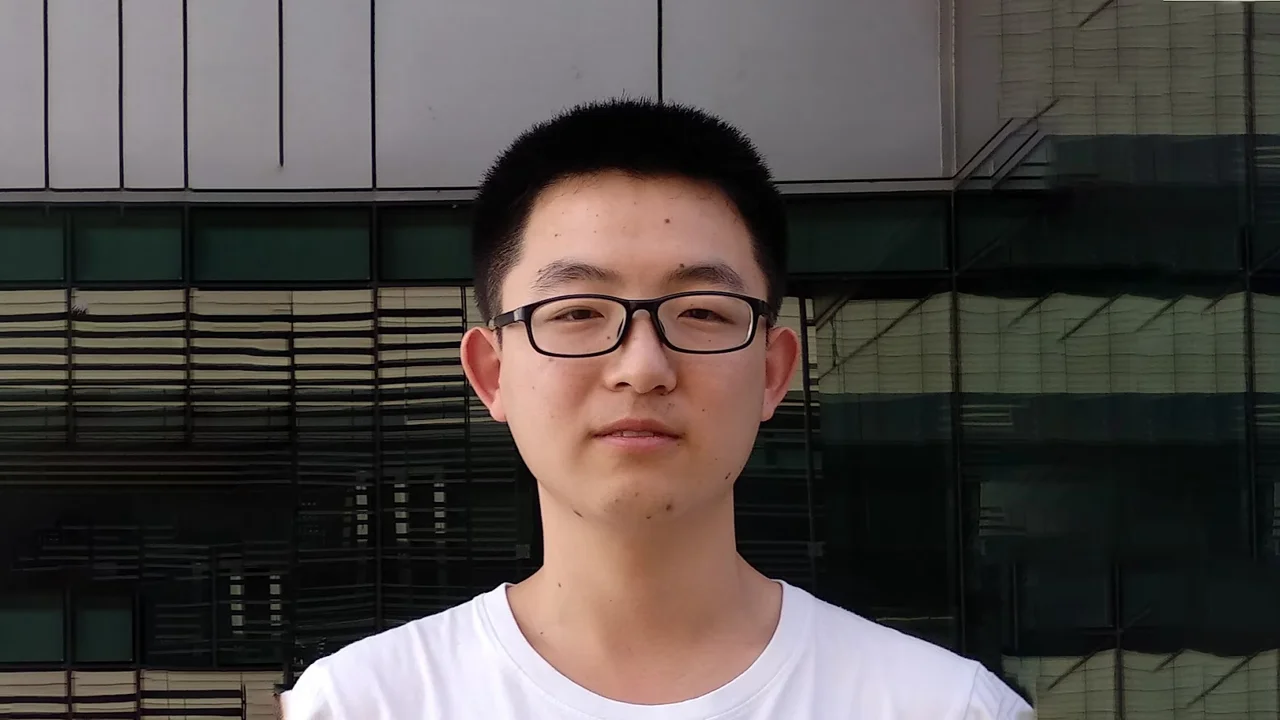
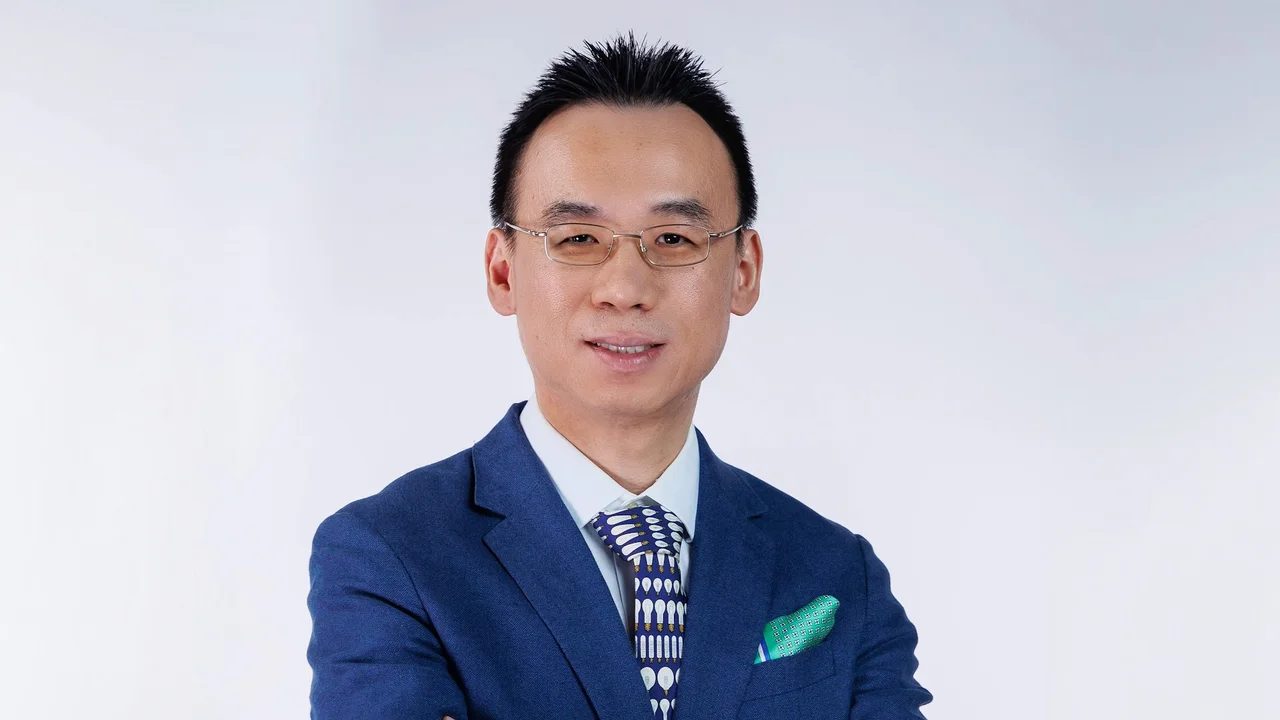
Professor Xiaohang Li has extensive research experience in III-nitride and III-oxide (ultra)wide bandgap semiconductors. Prior to KAUST, Li received his Bachelor degree in Applied Physics from Huazhong University of Science and Technology, China, his Master's degree in Electrical Engineering from Lehigh University, U.S., and his Ph.D. degree in Electrical Engineering from Georgia Institute of Technology, U.S.

Since joining KAUST, Li has advised more than 100 students, and led his Advanced Semiconductor Laboratory (ASL) in making many important and pioneering contributions to semiconductor research. Prof Li and his ASL team focus on the fundamental and applied research of ultrawide and wide-bandgap semiconductor materials, devices, physics and hardware. The ASL team aims to leverage these technologies to revolutionize the energy, communications, and health industries crucial for the sustainability of human society.

Expertise and Interests

Professor Li has extensive research experience in III-nitride and III-oxide (ultra)wide bandgap semiconductors. He focuses his interdisciplinary research activities on investigating the growth, simulation, fabrication and characterization of III-nitride structures for next-generation devices. Devices of particular interest include LEDs, lasers, transistors and next-generation CMOS ICs.
Education
Doctor of Philosophy (Ph.D.)
Electrical Engineering, Georgia Institute of Technology, United States, 2015
Master of Science (M.S.)
Electrical Engineering, Lehigh University, United States, 2011
Bachelor of Science (B.S.)
Applied Physics, Huazhong University of Science and Technology, China, 2008

Research Staff

Postdoctoral Fellows

Students

Biography

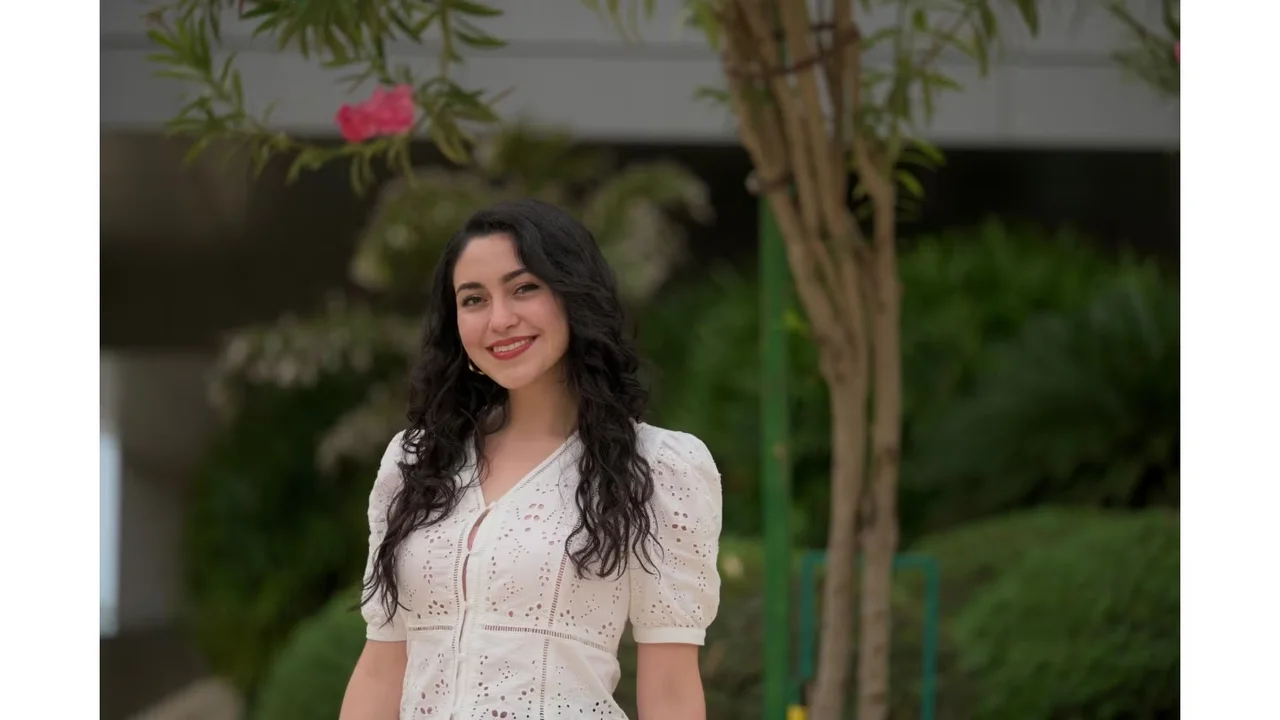
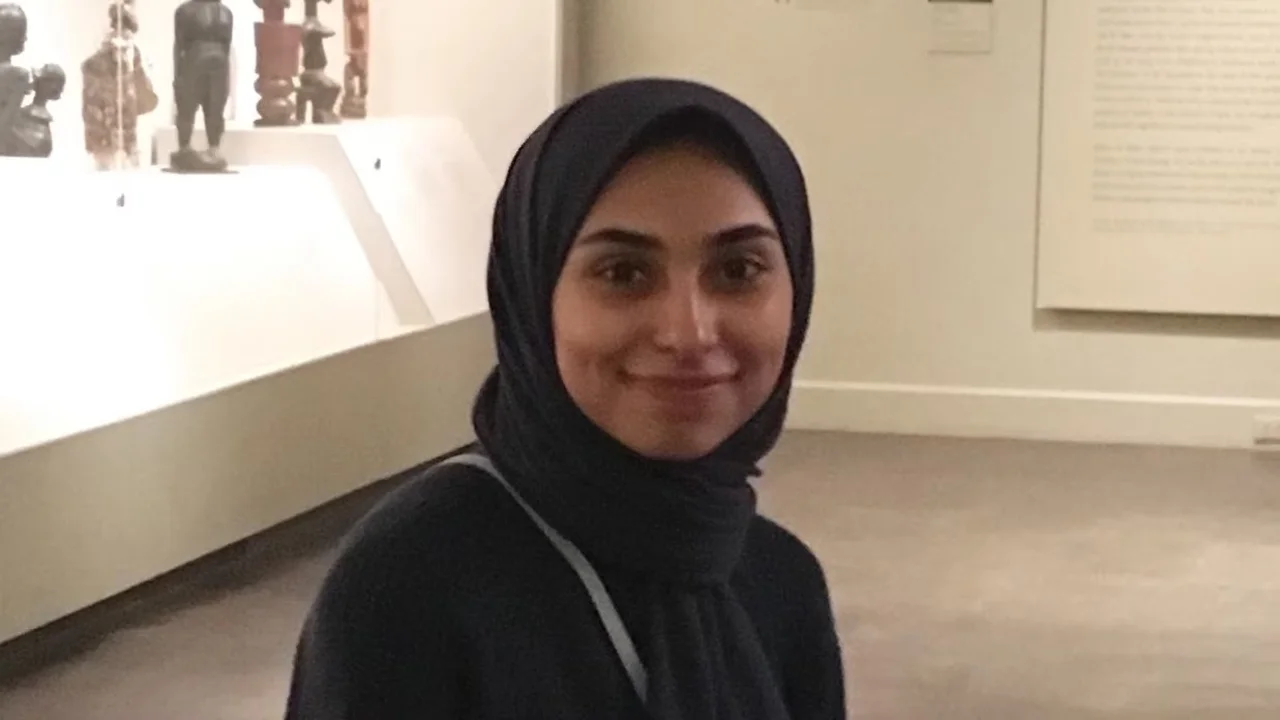
Atiya Arshad is an M.S. student in Electrical and Computer Engineering at King Abdullah University of Science and Technology (KAUST), Saudi Arabia, where she conducts research under the supervision of Prof. Xiaohang Li. She earned her bachelor’s degree in Electronics and Communication Engineering from Jamia Millia Islamia, New Delhi, India.

Expertise and Interests

Atiya’s research interests include wide-bandgap semiconductors, power devices, and β-Ga₂O₃-based electronics. Her research focuses on high-voltage devices based on ultra-wide-bandgap semiconductors. Her work spans device design, fabrication, and characterization, with a particular emphasis on β-Ga₂O₃ devices for power electronics applications.

Education
Bachelor of Technology (B.Tech.)
Electronics and Communication Engineering, Jamia Millia Islamia, India, 2025
Biography

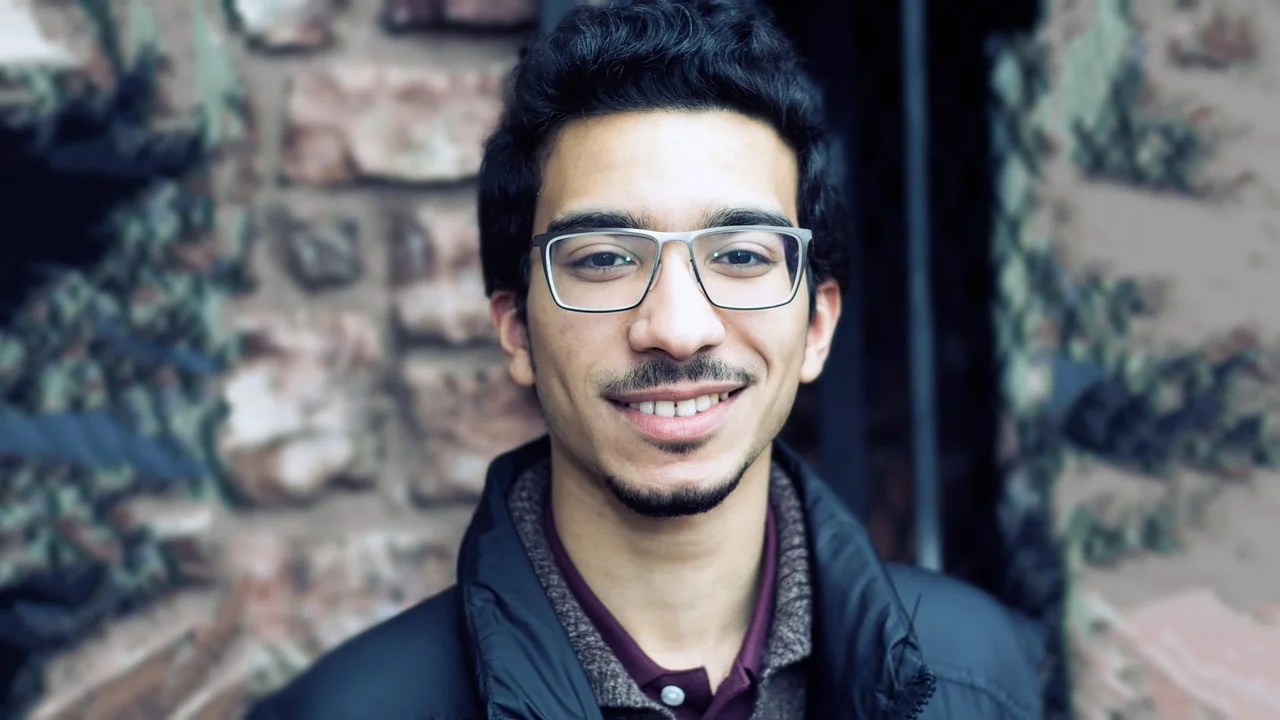
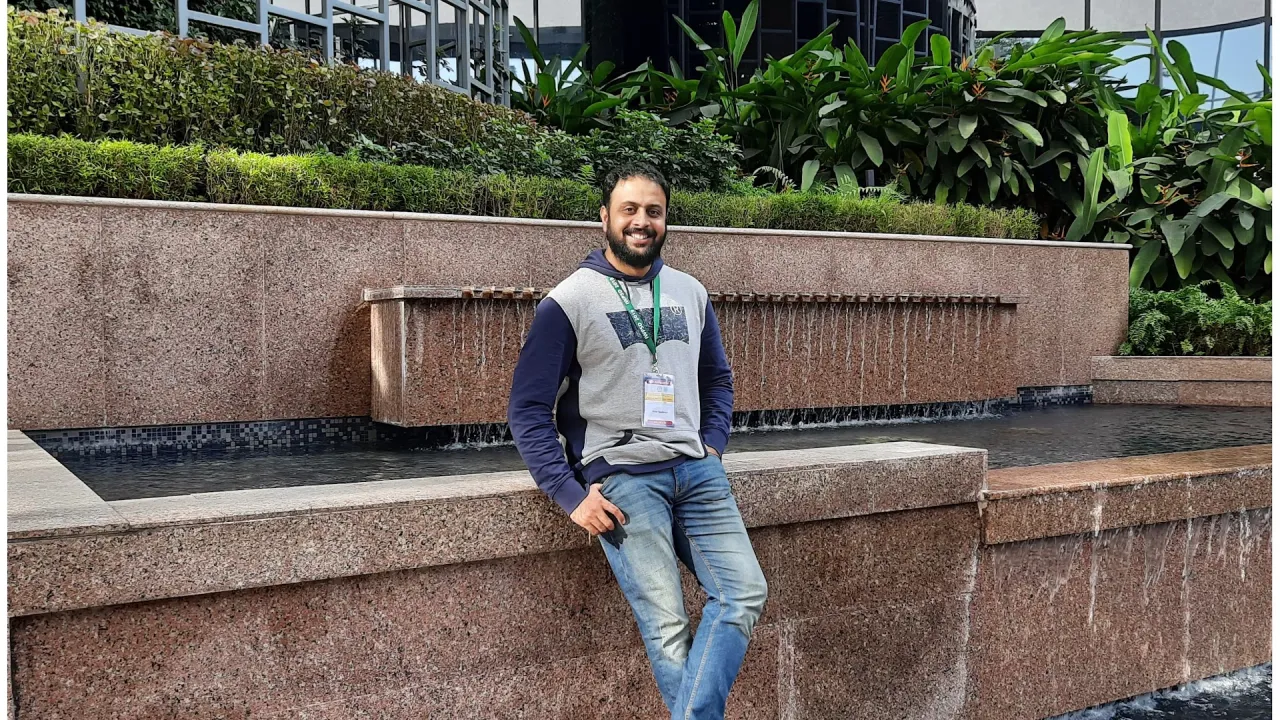
Danish Raja is a PhD candidate in the Advanced Semiconductor Laboratory (ASL) at King Abdullah University of Science and Technology (KAUST).

He received his Master's degree from the Indian Institute of Technology (IIT) Jodhpur and his Bachelor's degree in Electronics and Communication Engineering from the Islamic University of Science and Technology (IUST) Kashmir.

Expertise and Interests

Danish’s research experience includes ferroelectric and negative-capacitance devices for energy-efficient computing and memory applications, as well as machine-learning-based semiconductor device modeling.

His current research focuses AI hardware, with an emphasis on the Compute-in-Memory paradigm, energy-efficient device and architecture design, and high-performance computing systems.

Education
Master of Technology (M.Tech.)
Intelligent VLSI Systems, Indian Institute of Technology Jodhpur, India, 2025
Bachelor of Technology (B.Tech.)
Electronics and Communication Engineering, Islamic University of Science and Technology Kashmir, India, 2022
Expertise and Interests

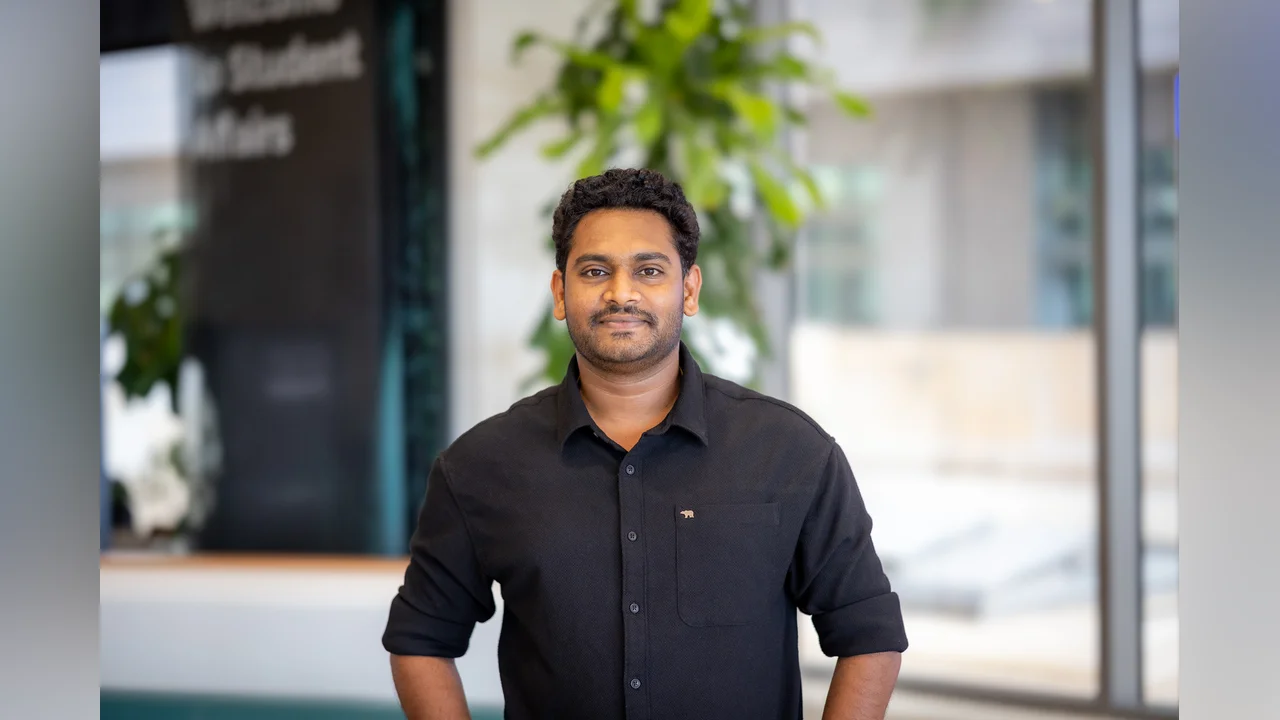
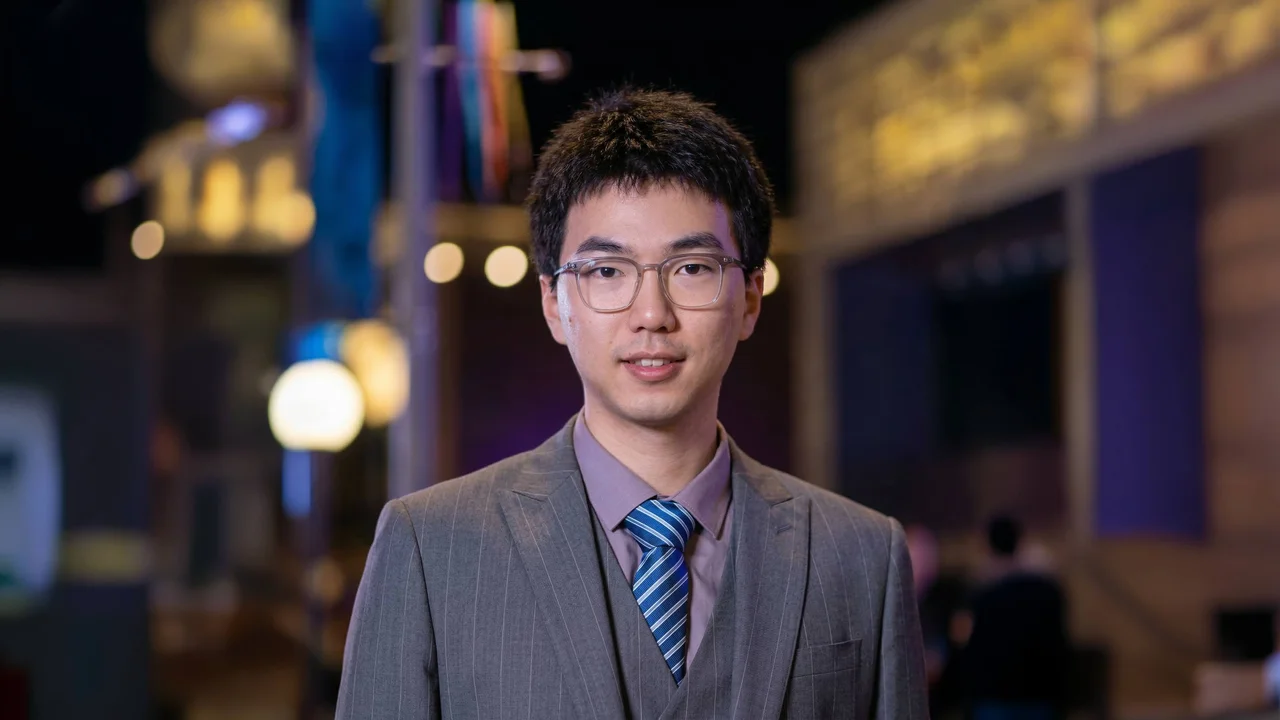
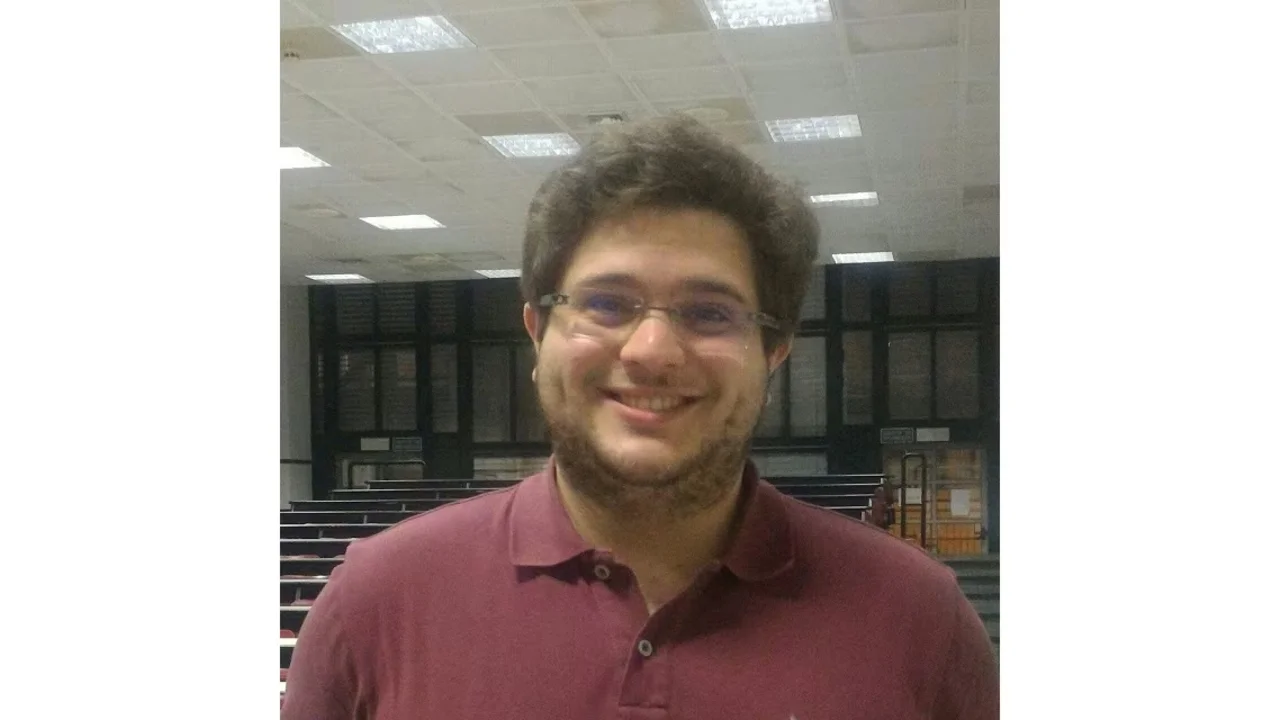
Leo’s expertise spans semiconductor device fabrication, material characterization, electrical measurements, and device modelling, with hands-on experience in photolithography, electron-beam lithography, direct laser writing, atomic layer deposition, sputtering, electron-beam evaporation, and dry and wet etching. 

His characterization experience includes scanning electron microscopy, X-ray diffraction, X-ray photoelectron spectroscopy, atomic force microscopy, profilometry, and electrical device analysis. 

His research interests include wide- and ultrawide-bandgap oxide semiconductors, vertical thin-film transistors, back-end-of-line-compatible processing, monolithic three-dimensional integration, contact and interface engineering, high-k gate dielectrics, nanoscale fabrication, and emerging electronic applications.


Education
Master of Technology (M.Tech.)
Very Large Scale Integration, Amity University Uttar Pradesh, Noida, India, 2019
Bachelor of Technology (B.Tech.)
Electronics and Communication Engineering, Jawaharlal Nehru Technological University, Hyderabad, India, 2016
Biography

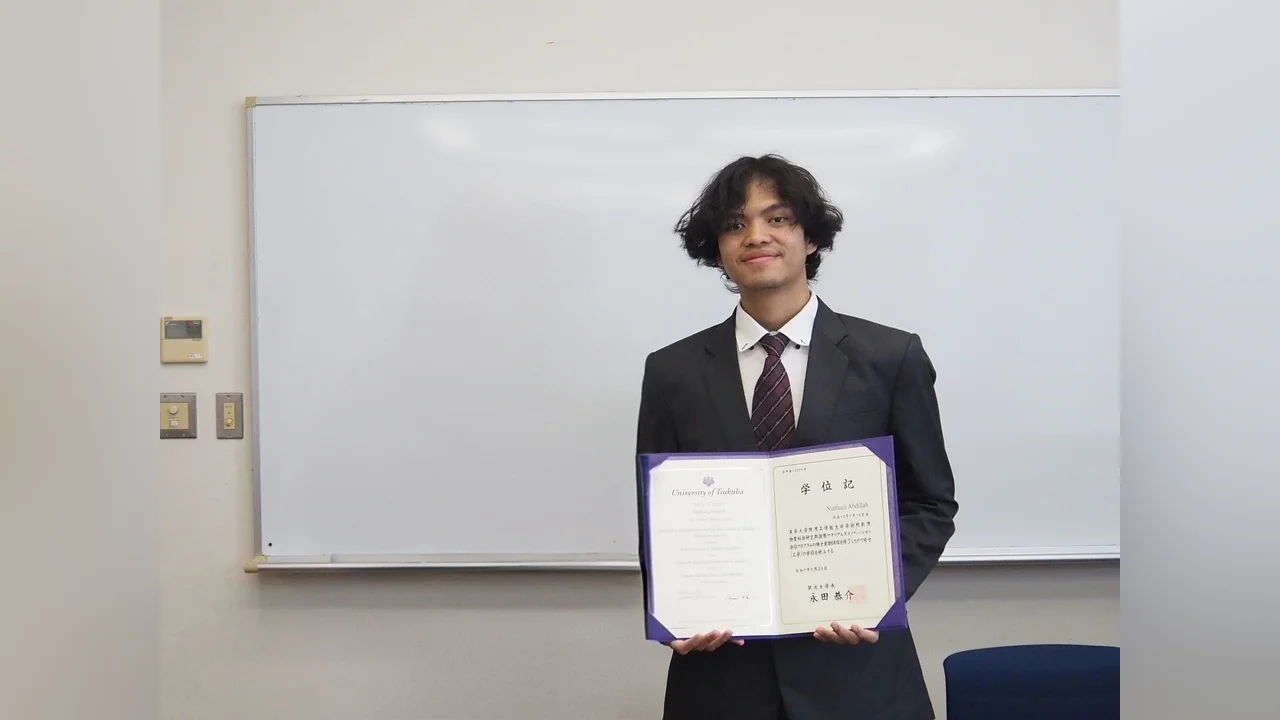
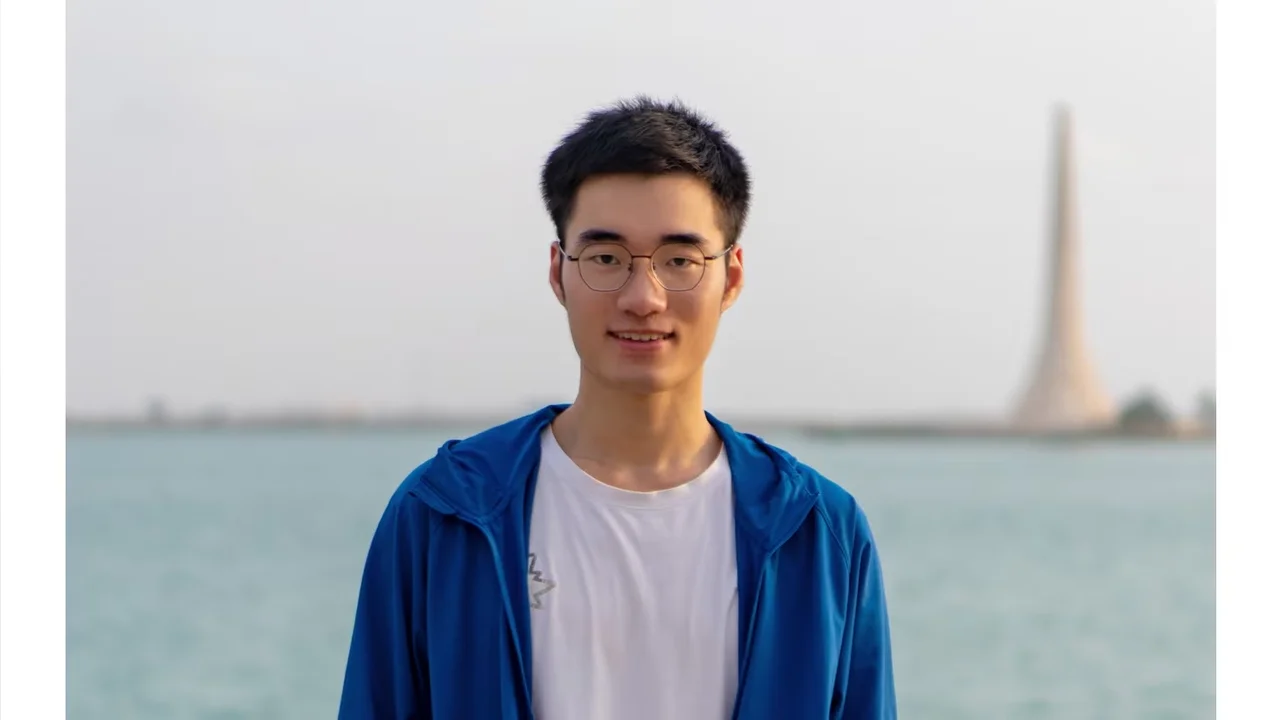
Nurfauzi Abdillah is a PhD student in Electrical and Computer Engineering at King Abdullah University of Science and Technology (KAUST). He received his B.S. in Engineering Physics from Bandung Institute of Technology (ITB) in 2022 and his M.Eng. in Materials Innovation from the University of Tsukuba in 2025. His work spans density functional theory calculations, semiconductor device TCAD simulation, and thin-film growth and characterization. He is now working on ultrawide-bandgap semiconductors for power electronics.

Expertise and Interests

Expertise:

  • Density functional theory (DFT) calculations
     
  • Semiconductor device TCAD simulations
     
  • Thin film growth and characterization

Research interests: Ultrawide-bandgap semiconductors for power electronics.

Education
Master of Engineering (M.Eng.)
Materials Science and Engineering, University of Tsukuba, Japan, 2025
Bachelor of Science (B.S.)
Engineering Physics, Bandung Institute of Technology, Indonesia, 2023
Biography

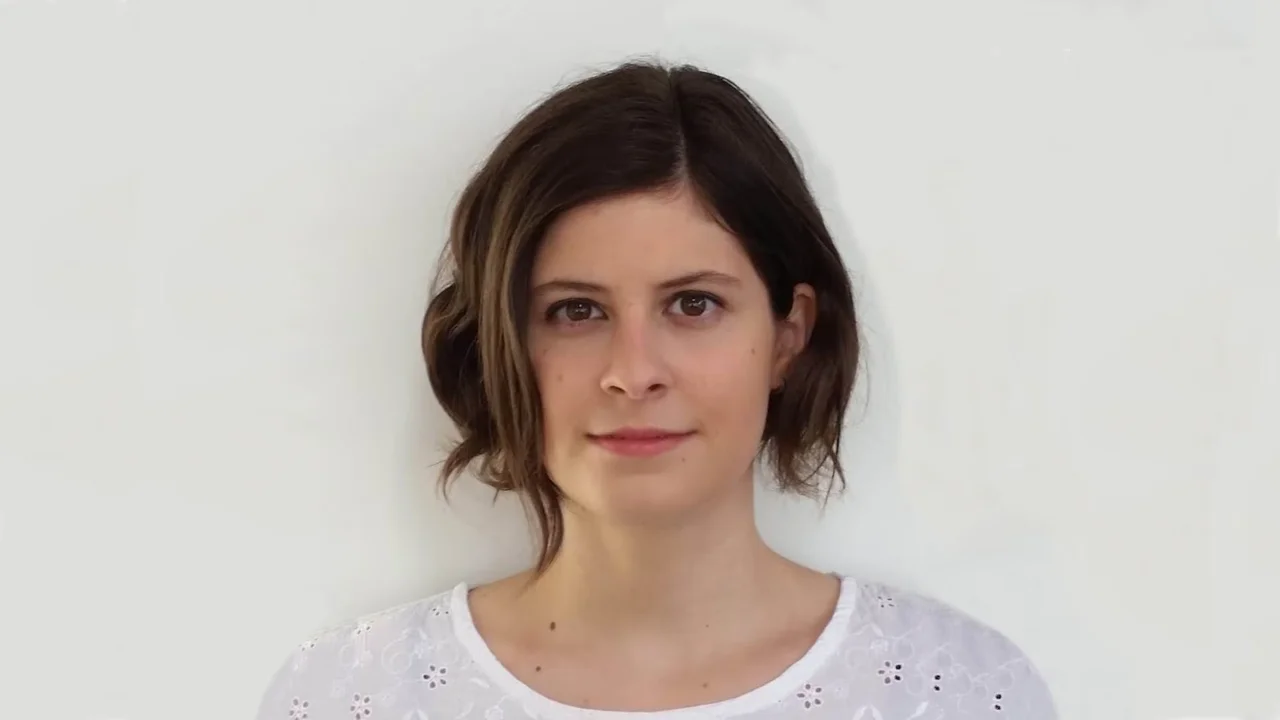
Nuzhat Yousf is a Ph.D. student in Electrical and Computer Engineering at King Abdullah University of Science and Technology (KAUST), Saudi Arabia. 

She received her Master’s degree in Electronics and Communication Engineering from Jamia Millia Islamia (JMI), New Delhi, in 2024, and her Bachelor’s degree in Electronics and Communication Engineering from Jamia Millia Islamia in 2021.

Expertise and Interests

Nuzhat’s expertise includes Tunnel Field-Effect Transistors (TFETs), Negative-Capacitance (NC) vertical TFETs, and semiconductor device modeling and simulation for energy-efficient sensing and computing applications. 

Her current research interests include monolithic 3D integration, emerging logic and memory devices, wide-bandgap semiconductors, and energy-efficient computing.

Education
Bachelor of Technology (B.Tech.)
Electronic and Communication Engineering, Jamia Millia Islamia, India, 2021
Master of Technology (M.Tech.)
Electronic and Communication Engineering, Jamia Millia Islamia, India, 2024
Biography

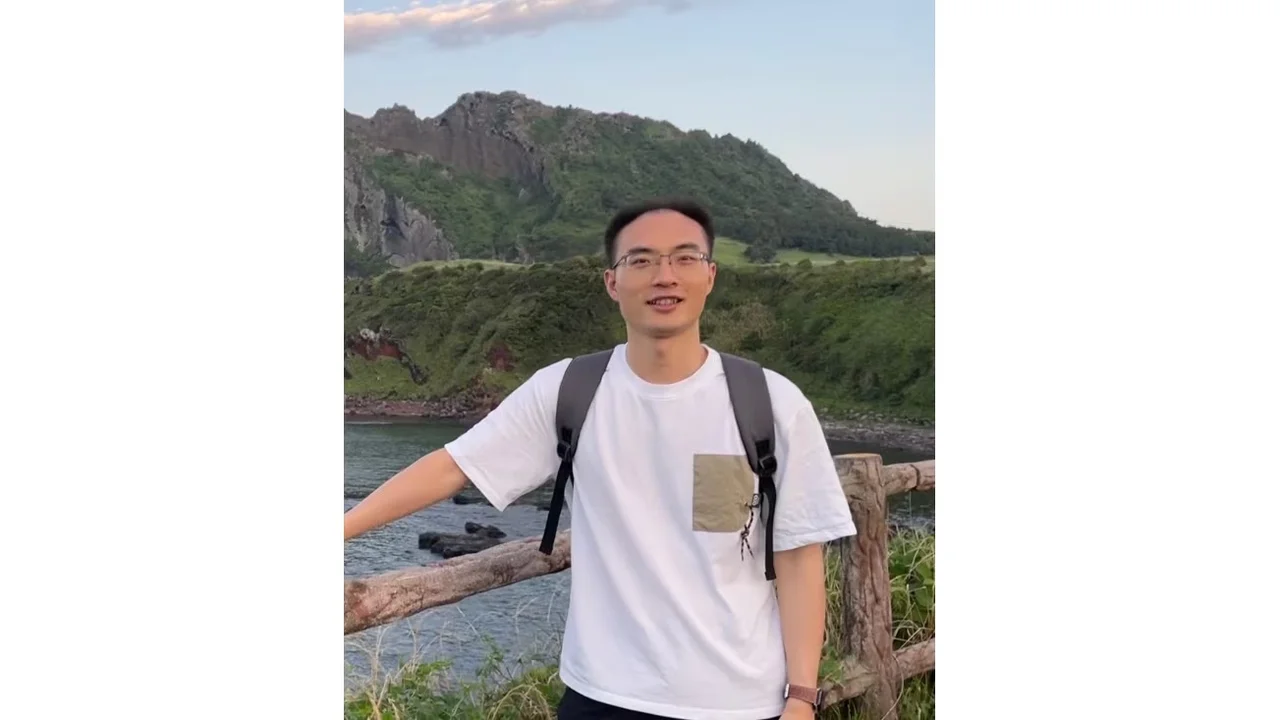
Tingang Liu is a Ph.D student in Electrical and Computer Engineering (ECE) at KAUST under the supervision of Prof. Xiaohang Li. He got his bachelor’s degree in 2022 from University of Electronics Science and Technology of China and his master’s degree in 2023 from King Abdullah University of Science and Technology.

Expertise and Interests

Tingang's research focuses on ultra-wide bandgap Al-rich AlGaN based power devices for next generation power systems. He has experience on material epitaxy by MOCVD, various material characterization tools, and advanced device fabrication process.

Education
Bachelor of Engineering (B.Eng.)
Electrical and Electronics Engineering, University of Electronic Science and Technology of China, China, 2022

Alumni

Former Members

Biography

Dhanu Chettri is a Ph.D. candidate at the Advanced Semiconductor Laboratory (ASL) at King Abdullah University of Science and Technology (KAUST), under the mentorship of Prof. Xiaohang Li. His research focuses on ultra-wide bandgap semiconductors, particularly Gallium Oxide (Ga2O3) and Aluminum Nitride (AlN). Before joining KAUST, he served as a Senior Project Fellow at the Council of Scientific and Industrial Research–Central Electronics Engineering Research Institute (CSIR–CEERI).

Chettri’s research primarily involves material growth, device design, fabrication, and circuit implementation of advanced semiconductor devices such as MOSFETs and bidirectional switches. He has made significant contributions to the field, as evidenced by his publications. Notably, he achieved the first demonstration of a normally OFF β-Ga2O3 bidirectional switch, featured in Applied Physics Letters, AIP along with the first demonstration of an AlN MOSFET, published in the Journal of Physics D, IOP.

His research is particularly relevant for developing technologies suited to high-temperature and extreme environment applications, demonstrating the critical role and potential of ultra-wide bandgap semiconductors in modern electronics.

Expertise and Interests

Dhanu's research interests include ultrawide bandgap semiconductor materials, specifically Ga2O3 and AlN. His work focuses on the fabrication and characterization of devices such as MOSFETs and FinFETs.

Biography

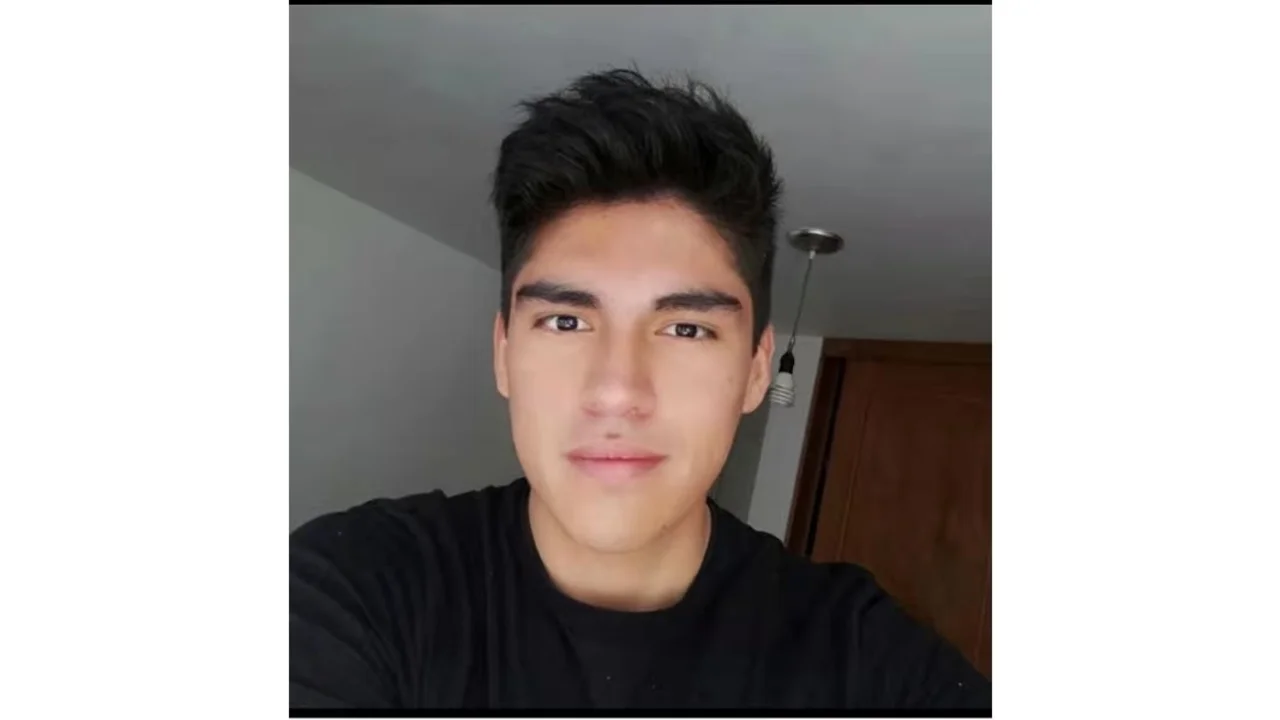
Glen Isaac Maciel García is a Ph.D. Candidate in Applied Physics at King Abdullah University of Science and Technology (KAUST), Saudi Arabia, where he conducted research under the supervision of Prof. Xiaohang Li. He earned his bachelor’s degree in Nanotechnology from the National Autonomous University of Mexico (UNAM). Glen has co-authored 19 peer-reviewed publications, including two first-author papers that were featured as cover articles in Nano Letters and Advanced Electronic Materials.

Expertise and Interests

Glen's research interests include optoelectronics, metamaterials, and nanofabrication. His research focuses on nanoscale devices based on ultra-wide bandgap semiconductors. His work spans device design, fabrication, and characterization, with a particular emphasis on unconventional architectures that extend the limits of traditional semiconductor functionality.

Education
Bachelor of Science (B.S.)
Nanotechnology, National Autonomous University of Mexico (CNyN-UNAM), Mexico, 2019
Biography

In 2019, Jose Manuel Taboada completed his bachelor's degree in Nanofabrication and Microelectronics at the National Autonomous University of Mexico (UNAM). He then obtained a master's degree in Electrical Engineering from King Abdullah University of Science and Technology (KAUST) in 2022, where he is currently pursuing a Ph.D. His doctoral research focuses on the simulation, design, fabrication, and testing of gallium oxide (Ga₂O₃) based diodes.

Expertise and Interests

Jose Manuel Taboada's research interests include advanced semiconductors, Nanometric fabrication, and characterization processes, and data analysis.

Education
Master of Science (M.S.)
Electrical and Computer Engineering, King Abdullah University of Science and Technology (KAUST), Saudi Arabia, 2022
Bachelor of Science (B.S.)
Nanofabrication and Microelectronics, National Autonomous University of Mexico (UNAM), Mexico, 2019